Best Snail Mucin Essence: How to Choose, Layer & Use for Glass Skin
Disclosure: This post may contain affiliate links. We may earn a commission on qualifying purchases at no extra cost to you.
Snail mucin essence is a hydrating, barrier-supportive step that transforms dehydrated skin into a plump, glowing canvas—and it’s way easier to use than it sounds. Whether you’re new to K-beauty or a routine tweaker looking to boost hydration, this guide walks you through what snail mucin actually does, how to pick the right formula for your skin, and exactly where and how to layer it without wasting a drop.
Snail mucin essence is a hydrating serum step that locks moisture deep into skin, making it perfect for anyone struggling with dryness, dullness, or a compromised barrier. Apply it after your toner, on damp skin, using just a dime-sized amount—it’s concentrated and goes way further than you’d think.
What Snail Mucin Essence Actually Does (And Why K-Beauty Obsessed People Won’t Stop Raving About It)
Let me be real: when I first heard “snail mucin,” I thought it sounded like a gimmick. Then I actually tried it and my skin felt like I’d had a professional hydration facial. Here’s what’s really happening inside that bottle.
Snail secretion filtrate—fancy name for snail mucus—contains a cocktail of skin-loving compounds. We’re talking hyaluronic acid (the gold standard for plumping dehydration), glycolic acid (a gentle exfoliant that helps dead skin cells shed), proteins, and minerals that calm inflammation. The Korean beauty industry figured out how to harvest and filter this stuff without harming snails, and now it’s a staple in thousands of routines.
The real magic? Snail mucin works on multiple levels at once. It hydrates by flooding your skin with humectants (ingredients that pull moisture from the air and deeper skin layers to the surface). It also supports your skin barrier—that protective layer that keeps water in and bad stuff out. If your barrier is compromised, everything feels tight, reactive, and uncomfortable. Snail mucin helps repair it, which means over time you’ll notice less sensitivity, smoother texture, and that coveted “glass skin” glow.
And honestly? It’s soothing. If you’ve ever had a skincare disaster—over-exfoliated, burned by an active, sunburned—snail mucin essence is like a gentle hug for your face. It doesn’t sting, doesn’t irritate, and works beautifully alongside pretty much every other ingredient you’re using.
Understanding the Different Types of Snail Mucin Formulas
Not all snail mucin essences are created equal. The concentration, added ingredients, and texture can vary wildly, so knowing what you’re looking at helps you pick the right one for your specific skin.
Pure Snail Mucin (High Concentration)
These are the essences where snail secretion filtrate is the main (or only major) active. They’re typically watery, lightweight, and absorb fast—exactly what you want if you have oily or combination skin, or if you’re layering this beneath a bunch of other products. The downside? They can feel a little “empty” in texture; your brain might wonder if you applied enough. (You probably did.)
Snail Mucin + Humectants (The Sweet Spot)
Many formulas pair snail mucin with hyaluronic acid, glycerin, or propylene glycol to boost the hydration factor. This is the category that sells the most because it feels more luxe—thicker, silkier texture—and delivers noticeable plumping. If you have dry skin or live somewhere with low humidity, this is your jam.
Snail Mucin + Actives (Multi-Tasking)
Some brands add niacinamide, peptides, or fermented ingredients to their snail mucin base. These feel like a hybrid treatment-essence, giving you extra anti-inflammatory or skin-barrier-boosting benefits. Great if you want to keep your routine streamlined, but worth checking the concentration of each ingredient—sometimes the snail mucin becomes secondary.
Snail Mucin + Plant Extracts (Soothing Focus)
Korean brands often blend snail mucin with centella asiatica (cica, a legendary skin soother), green tea, or aloe for added anti-inflammatory power. If you have sensitive, reactive, or rosacea-prone skin, these tend to feel the most calming.
Pro Tip: Read the ingredient list, not just the marketing. If snail secretion filtrate is in the first three ingredients, you’ve got a meaningful concentration. If it’s buried after five other things, you’re mostly paying for fillers.
How to Choose the Right Snail Mucin Essence for Your Skin Type
Here’s a quick decision framework so you don’t waste money on the wrong formula:
Oily or Acne-Prone Skin
Go for a pure, lightweight snail mucin with minimal added oils or heavy humectants. You want the hydrating and barrier-repair benefits without adding shine or congestion. Look for formulas that finish matte or mention being “sebum-control friendly.”
Dry or Dehydrated Skin
You’re the snail mucin sweet spot. Choose a formula with snail mucin + hyaluronic acid or glycerin. Thicker, silkier textures will feel more nourishing on your skin, and the added humectants will work overtime to lock moisture in.
Sensitive, Reactive, or Rosacea-Prone Skin
Prioritize formulas that pair snail mucin with calming botanicals like centella asiatica, green tea, or panthenol. Skip anything with fragrance, essential oils, or actives like niacinamide (even though niacinamide is usually great, some sensitive skin doesn’t tolerate it). Start with the gentlest, simplest formula first.
Combination Skin
You have flexibility here. A snail mucin + light humectant formula works beautifully—hydrating enough for dry zones but not so heavy that it clogs your T-zone. Apply more generously to dry areas and lighter on oily patches.
Normal Skin
You’re lucky—almost any snail mucin formula works. If you want to maximize the multi-tasking angle, grab one with added peptides or ferments. Otherwise, a simple, affordable pure snail mucin will do the job fine.
The Right Way to Layer Snail Mucin in Your Routine
Okay, this is where people get confused. Snail mucin essence sits in a specific spot in the K-beauty sequence, and using it right there is what makes it work so well. Here’s the order:
- Cleanser: Remove makeup and sunscreen (oil cleanser, then water-based if you double-cleanse).
- pH-Adjusting Toner (Optional): If you use one, apply it to restore your skin’s natural pH after cleansing.
- Hydrating Toner or First Essence: A lightweight watery step that preps your skin to absorb what comes next.
- SNAIL MUCIN ESSENCE ← YOU ARE HERE
- Serums or Treatments: Vitamin C, niacinamide, peptides, or whatever actives you use. The snail mucin actually helps them absorb better.
- Eye Cream (Optional): Gently pat around the orbital bone.
- Moisturizer or Cream: Lock everything in with a hydrating or nourishing final layer.
- Sunscreen (AM only): SPF 30+, reapply every two hours if outdoors.
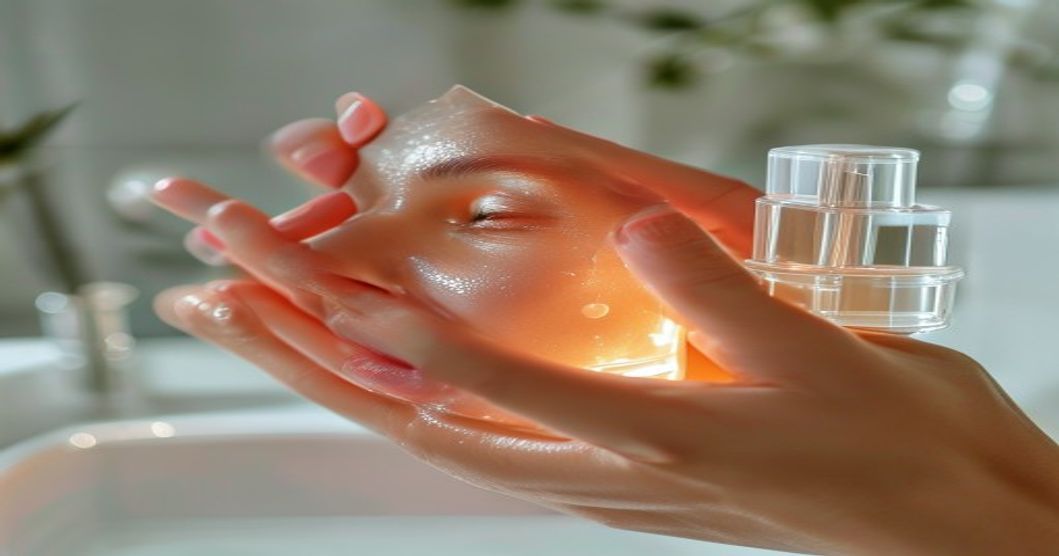
Application tip: Use snail mucin on clean, damp skin. Dampness helps it absorb deeper. Squeeze out a dime-sized amount, warm it between your palms for a second, then gently press it into your face and neck using an upward patting motion. Don’t rub it in like a regular cream—let it sink in. Wait 20–30 seconds before moving to your next step.
Why This Order Matters: Snail mucin is a hydrating essence, which means it works best after your pH-balancing step but before heavier treatment serums. If you apply it after a thick cream, it won’t penetrate and you’re wasting product. If you apply it before a hydrating toner, the toner will dilute its effectiveness. Sequencing is everything in K-beauty.
Frequency and How Much to Use
Snail mucin is gentle enough for daily use—morning and night. Some people with very dry skin swear by using it twice daily and see incredible results. Others use it once a day (usually evening) and layer a heavier moisturizer in the morning. There’s no wrong answer; listen to your skin.
Amount per application: A dime-sized amount is your baseline. Seriously, do not oversaturate. Snail mucin is concentrated, and a tiny bit covers your whole face and neck. If you use too much, it sits on your skin instead of absorbing, and you’ll feel sticky. Less is more here.
Snail Mucin Essence vs. Other Hydrating Steps (What’s the Difference?)
I get asked this a lot, and it’s a fair question because “essence” is a vague K-beauty term. Let me break down how snail mucin compares to other hydrating staples:
| Type | What It Does | Best For |
|---|---|---|
| Hydrating Toner | Watery, alcohol-free, delivers basic hydration. | Preps skin and boosts absorption of steps that follow. |
| Snail Mucin Essence | Heavier hydration + barrier repair + soothing properties. | When you want plumping, lasting hydration and skin barrier support. |
| Hyaluronic Acid Serum | Targeted hydration via a specific active ingredient. | Dehydration that needs a direct molecular fix. |
| Moisturizer or Cream | Locks in hydration with occlusive oils or butters. | Final barrier layer to seal everything in. |
Can you use snail mucin AND a hyaluronic acid serum? Absolutely. Layer them: snail mucin first (lighter), then HA serum. They work synergistically. But if you’re on a budget or keeping your routine simple, snail mucin alone does a solid job of hydrating and supporting your barrier.
Real Talk: Common Mistakes People Make with Snail Mucin
Mistake #1: Using too much. Remember—dime-sized. I see people pumping out a full quarter-sized amount and wondering why their skin feels tacky. More is not better with essences.
Mistake #2: Applying to bone-dry skin. Snail mucin (like most hydrating essences) works best on damp skin. If your skin is totally dry, spray a little facial mist first or apply it right after your toner while your face is still wet.
Mistake #3: Not giving it time to absorb before layering the next step. Wait 20–30 seconds. If you immediately slap a serum on top, they don’t integrate properly and you’ll feel a slippery, unpleasant texture.
Mistake #4: Assuming it’s a substitute for a moisturizer. It’s not. Snail mucin hydrates and soothes, but it doesn’t occludo (seal in moisture) like a cream does. Always follow with a moisturizer, especially if you have dry skin.
Mistake #5: Patch-testing in the wrong spot. If you want to test for sensitivity, apply it behind your ear or on your inner arm first. Don’t go straight to your whole face if you’re new to snail products.
- Hydrates deeply without feeling greasy.
- Soothes inflammation and supports barrier repair.
- Compatible with almost every other skincare ingredient.
- A little goes a long way—affordable per-use cost.
- Gentle enough for sensitive and reactive skin types.
- Improves skin texture and glow over time.
- Can feel sticky if you overapply.
- Not a substitution for a true moisturizer.
- Texture and scent vary by brand; not all formulas feel the same.
- If you have a shellfish or snail allergy, it’s a no-go.
- Some people find it doesn’t feel “substantial” enough on its own.
Who Snail Mucin Essence Is For (And Who It Isn’t)
Perfect For:
- Anyone with dehydrated skin looking for a hydration boost.
- People with compromised or irritated skin barriers.
- Those with sensitive, reactive, or rosacea-prone skin.
- Combination skin types that need balanced hydration.
- Anyone interested in a multi-step K-beauty routine but wants simplicity.
- People layering multiple actives and need a soothing buffer.
Probably Not For:
- Those with shellfish or snail allergies (obvious, but important).
- People with severe acne looking for a treatment-level product (it’s supportive, not curative).
- Anyone seeking a heavy, occlusive moisturizer—this is a hydrating step, not a final seal.
- Minimalists who want a three-step routine. Snail mucin is an addition, not a replacement.
- People who dislike lightweight, fast-absorbing textures. Some formulas feel almost watery.
Where to Buy and What to Look For on Labels
Snail mucin essence is widely available on Korean beauty marketplaces and general e-commerce sites. Popular retailers include YesStyle, iHerb, and Amazon, though you’ll find the largest selection and sometimes better prices on dedicated K-beauty platforms. When shopping, look for:
- “Snail secretion filtrate” high on the ingredient list (ideally in the top three).
- A concentration percentage if the brand provides it (50%+ is generous; 20%+ is solid).
- Expiration date that’s at least 1–2 years out. Snail mucin can oxidize over time.
- Opaque or UV-protective packaging to preserve the formula (clear bottles let light degrade ingredients).
- Reviews mentioning hydration, plumping, or barrier repair—not just “smells nice.”
Price range varies: budget-friendly options are often $8–15, mid-range around $15–25, and premium formulas $25+. The most expensive isn’t always the best; a mid-range formula with good snail secretion filtrate concentration will outperform an overpriced one with mostly filler.
Combining Snail Mucin with Other Popular K-Beauty Steps
One reason I love snail mucin so much is how well it plays with other K-beauty staples. Here’s how to layer it with common routines:
Snail Mucin + Centella Asiatica (Cica): Both are soothing and hydrating. Use snail mucin as your essence, then apply a cica serum or cream afterward. They amplify each other’s barrier-repair benefits.
Snail Mucin + Niacinamide: Niacinamide strengthens your barrier; snail mucin hydrates and soothes it. Apply snail mucin first, wait 20 seconds, then add your niacinamide serum. They’re a powerhouse combo for compromised skin.
Snail Mucin + Vitamin C: Vitamin C is an active that can irritate sensitive skin. Snail mucin underneath cushions that irritation and boosts hydration so your skin stays plump and happy while the vitamin C works.
Snail Mucin + Retinol or Tretinoin: If you’re using a retinoid, snail mucin is your secret weapon. It hydrates and soothes retinoid-induced irritation, redness, and dryness. Apply snail mucin, wait, then add your retinoid.
Snail Mucin + Exfoliants (BHA/AHA): Use your exfoliant first, then follow with snail mucin to calm and hydrate skin post-exfoliation. This prevents that tight, raw feeling.
Snail Mucin in a 10-Step Routine: If you’re into full K-beauty routines, snail mucin essence typically goes after your first hydrating essences and before serums. It’s usually steps 5–7 depending on how many hydrating layers you use.
Ingredient Compatibility Note: Snail mucin is compatible with nearly everything because it’s soothing and supportive, not a treatment ingredient itself. That said, if you’re using multiple active treatments (like vitamin C in the morning and retinol at night), snail mucin is the buffer that keeps your skin happy and prevents over-irritation.
Realistic Expectations: What Snail Mucin Can and Cannot Do
I see a lot of hype around snail mucin online, so let me be honest about what it actually does:
What it WILL do: Hydrate your skin visibly, plump fine lines temporarily (from hydration, not from collagen production), soothe inflammation and redness, support your skin barrier, make your skin feel soft and supple, and improve the texture of dehydrated or dull skin over 2–4 weeks of consistent use.
What it WON’T do: Cure severe acne, shrink pores permanently, eliminate deep wrinkles, replace sunscreen, treat melasma, or work miracles on its own. It’s a support player, not a star treatment.
Timeline: You might notice softer, plumper skin within a few days of using it. More dramatic results (reduced dullness, improved texture, calmer irritation) typically show up after 2–4 weeks of daily use. If you don’t see any change after a month, either your skin doesn’t need it, or the formula isn’t a match for you.
Snail mucin essence is a hydrating, barrier-supporting step that belongs in almost every K-beauty routine—especially if your skin is dry, dehydrated, sensitive, or compromised. Choose a formula with snail secretion filtrate high on the ingredient list, apply a dime-sized amount to damp skin after your hydrating toner, and layer serums and moisturizer on top. It’s affordable, gentle, and genuinely effective. For routine-builders looking to add one powerful hydrating step without major complications, snail mucin is the move. If you want to explore highly-rated formulas from trusted K-beauty brands available on major retailers, check out our full guide on best snail mucin essence picks for detailed ingredient breakdowns and reviews.
Disclosure
This article contains affiliate links to retailers including YesStyle, iHerb, and Amazon. We may earn a commission from qualifying purchases made through these links at no additional cost to you. As an Amazon Associate I earn from qualifying purchases. This helps support our work creating independent K-beauty education and guides. Thank you for your support.