Korean Bakuchiol Serum for Anti-Aging: The Gentle Retinol Alternative That Actually Works
Disclosure: This post may contain affiliate links. We may earn a commission on qualifying purchases at no extra cost to you.
Okay, so bakuchiol really IS the retinol alternative that sensitive-skin people have been waiting for — and Korean beauty brands have been doing some genuinely thoughtful work with it. If you’ve totally given up on retinol because of peeling, redness, or that whole “my face is literally shedding” nightmare, a Korean bakuchiol serum might just become your new favorite thing.
Korean Bakuchiol Serum for Anti-Aging: What You’re Actually Choosing Between
Here’s what nobody tells you upfront: not all Korean bakuchiol serums are the same product. There are actually a few pretty different formula types, and picking the wrong one for your skin is annoying. Let me break down the main three options you’ll actually see:
- Pure Bakuchiol Essence Serums — bakuchiol doing the heavy lifting, surrounded by hydration and calming stuff (centella, hyaluronic acid, fermented extracts). Best if you have sensitive skin or you’re new to actives.
- Bakuchiol + Niacinamide Hybrid Serums — adds brightening and pore-tightening alongside the anti-aging work. Perfect if you’re dealing with both texture issues AND uneven tone.
- Bakuchiol + Low-Dose Retinol Combo Serums — stacks both actives (usually with ceramides to buffer). For people who already know their way around retinol and want stronger results.
The comparison below is the real heart of this. Read it before you buy anything.
| Formula Type | Key Active Combo | Irritation Risk | Best Anti-Aging Benefit | Best For |
|---|---|---|---|---|
| Pure Bakuchiol Essence | Bakuchiol + centella asiatica + hyaluronic acid | Very Low | Collagen support, barrier repair, gradual firming | Sensitive skin, beginners, pregnancy-adjacent concerns |
| Bakuchiol + Niacinamide | Bakuchiol + niacinamide (vitamin B3) + fermented filtrates | Low | Brightening, pore minimizing, tone-evening + anti-aging | Combination skin, hyperpigmentation + fine lines dual concern |
| Bakuchiol + Retinol Hybrid | Bakuchiol + low-dose retinol + ceramides/peptides | Moderate | Accelerated cell turnover, stronger wrinkle smoothing | Retinol-experienced skin, normal to oily skin types |
| Bakuchiol + Peptide Serum | Bakuchiol + signal peptides + adenosine | Very Low | Deep firming, collagen signaling from multiple pathways | Mature skin focused on loss of elasticity and firmness |
That irritation column? Way more important than most people realize. Bakuchiol on its own sits safely in the very-low-risk zone — but add retinol (even a tiny amount) and you’re back to “please patch-test first” territory.
Breaking Down the Star Ingredient: Bakuchiol 101
I’m going to over-explain this a bit because the science is actually really cool and most articles just skip over it.
Bakuchiol (buh-KOO-chee-ol — yes, I looked that up) comes from the seeds and leaves of the babchi plant (Psoralea corylifolia), which has been used in Ayurvedic and Traditional Chinese Medicine forever. The modern skincare angle is that bakuchiol flips some of the same switches that retinol does in your skin cells — specifically the ones linked to collagen production and cell turnover.
But here’s the magic part: it doesn’t trigger the inflammation cascade that makes retinol rough on many people. No mandatory purge phase. No mandatory SPF panic (though daily SPF is smart regardless). You can slap it on in the morning. Wild, right?
Korean formulators are smart about this — they stack bakuchiol with other heavy-hitter soothing ingredients:
- Centella asiatica (tiger grass / cica) — calms inflammation, supports the skin barrier. Want to know why this is everywhere in K-beauty? Check out this guide to Korean centella creams for sensitive skin.
- Mugwort (artemisia) — packed with antioxidants, super calming, great for reactive or acne-prone skin
- Fermented filtrates — stuff like saccharomyces or bifida ferment lysate that improve texture and actually feed your skin barrier
- Adenosine — Korea’s MFDS approved this for wrinkles, and it works together with bakuchiol for serious firming
That whole layered, multi-ingredient approach is what makes Korean bakuchiol serums feel different from a Western single-active drop. You’re getting a whole ecosystem in one bottle.
Bakuchiol vs Retinol: The Real Trade-Off Table
Before you pick a serum, here’s the actual breakdown between bakuchiol and retinol. This matters if you’re deciding between pure bakuchiol or going for the hybrid.
| Factor | Bakuchiol | Retinol |
|---|---|---|
| Irritation potential | Very low | Moderate to high (especially at first) |
| Morning use safe? | Yes | Not recommended (breaks down in sunlight) |
| Speed of visible results | Gradual (consistent use over weeks to months) | Can be faster at higher concentrations |
| Pregnancy considerations | Generally considered safer (ask your doctor) | Not recommended during pregnancy |
| Barrier-supportive? | Yes — actually improves barrier health | Can disrupt barrier temporarily while adjusting |
The honest truth: retinol at a real concentration, used right and consistently, has stronger clinical backing. But bakuchiol is legitimately real — actual published research shows it can match retinol’s results for fine lines and pigmentation in certain studies. It’s not hype. The actual trade-off is just speed versus how comfortable you’ll be.
Choose Bakuchiol If… / Choose the Hybrid If…
Go pure bakuchiol if:
- You have sensitive, rosacea-prone, or easily irritated skin (and also check this guide on Korean hyaluronic acid serums for sensitive skin — pairing them is smart)
- You’re new to anti-aging actives and don’t want to deal with a retinol adjustment period
- You’re pregnant or nursing (check with your doctor, but generally safer)
- You want an anti-aging serum you can use morning and evening without sun-sensitivity stress
Go bakuchiol + retinol hybrid if:
- You’ve already used retinol without major issues and want stronger results
- You’re targeting deeper wrinkles or real texture problems, not just early fine lines
- Your skin is normal to oily (more ability to handle both actives at once)
- You’re cool with nighttime-only use and serious SPF commitment
If you’re also dealing with puffiness, dark circles, or creases around the eyes — read the Korean peptide eye cream vs. retinol comparison to see how these actives compare in that more delicate area.
What to Look for on the Ingredient Label
I can’t tell you “buy this exact product” with a price guarantee, but I can teach you to read a label instead.
When shopping Korean bakuchiol serums on iHerb, Amazon, or YesStyle (three solid spots for K-beauty internationally, with decent authenticity protections), use this checklist:
- Bakuchiol in the top half of the INCI list — if it’s buried near the bottom, the actual amount is probably too low to matter. Look for it appearing earlier in the ingredients, not at the tail end.
- No alcohol denat. up front — alcohol as a lead ingredient kills any barrier-repair claims
- A calming co-ingredient — centella asiatica extract, artemisia absinthium (mugwort), or panthenol (provitamin B5) all signal good intent
- Adenosine — look for this if firming is your main goal; it’s legit for wrinkles in K-beauty formulas
- pH awareness — if the serum also has vitamin C or AHA exfoliants in real amounts, layering order matters (low-pH actives first, then bakuchiol after)
How to Layer a Korean Bakuchiol Serum Into Your Routine
K-beauty layering is real — and bakuchiol is one of the easiest actives to slot in.
- Cleanser
- Toner (skin softener) — watery essence-style to prep the skin
- Vitamin C serum (if using) — apply first, let it absorb
- Bakuchiol serum — a few drops, press gently (don’t drag)
- Sheet mask or ampoule (optional but very K-beauty)
- Moisturizer / cream
- SPF (morning only)
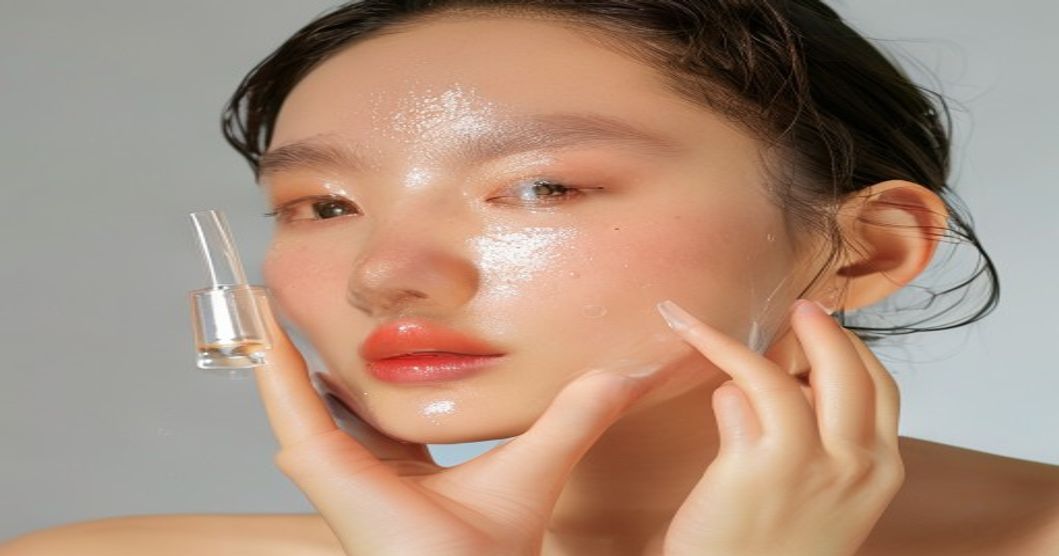
One mistake I see people make: applying bakuchiol serum to completely dry skin like it’s a standalone treatment. In K-beauty, you layer with a slightly damp face — it helps the active sink in better and reduces any mild tingling. Put your toner on first. It works.
Pros and Cons: Korean Bakuchiol Serum vs. Bakuchiol-Retinol Hybrid
- Actually low irritation — works on reactive skin
- Use it morning and evening without sun-sensitivity worries
- Fits perfectly into K-beauty layering routines
- Soothing extras mean you’re fixing your barrier at the same time
- Easy to find on iHerb, YesStyle, and Amazon
- Results take time — don’t expect overnight transformation
- Less clinical evidence than retinol for serious wrinkle reduction at advanced aging
- Concentration varies wildly between brands — you have to read the label
- The hybrid version will give you faster results if your skin can tolerate it
Who This Is For (and Who Should Skip It)
This works great if you:
- Have sensitive, dry, or combination skin and want anti-aging without a harsh adjustment period
- Are in your late 20s to early 40s and working on prevention and early fine lines
- Want an active you can use every single day all year
- Love layering K-beauty products and want an active that plays well with others
- Already tried retinol and gave up on it
This is NOT the right move if you:
- Have significant, deep wrinkles and need the strongest actives available — prescription tretinoin is still king here
- Have oily, tough skin and just want the fastest results no matter what
- Think bakuchiol will replace actual dermatological treatment
- Refuse to use SPF — bakuchiol or not, no serum makes up for unprotected sun exposure
Korean bakuchiol serums are honestly one of the smartest entry points to anti-aging — especially if you have sensitive skin, you’ve bounced off retinol before, or you just want an active you can use every day without complicated routines. Look for bakuchiol high up on the ingredient list, paired with calming stuff like centella asiatica or adenosine, from a brand you can grab on iHerb, YesStyle, or Amazon with confidence. The bakuchiol + retinol combo is the next step once your skin proves it can handle more — but for most people, pure bakuchiol essence is the smarter starting point. Check YesStyle or iHerb for what’s available now, since stock and formulas shift constantly.
Disclosure: This post contains affiliate links to retailers including Amazon, iHerb, and YesStyle. If you make a purchase through these links, we may earn a small commission at no extra cost to you. As an Amazon Associate I earn from qualifying purchases. All opinions and product analysis are our own, based on publicly available ingredient and product information.