Korean Peptide Eye Cream vs Retinol: Which Works Better for Fine Lines?
Disclosure: This post may contain affiliate links. We may earn a commission on qualifying purchases at no extra cost to you.
You’ve been staring at your under-eye area in the mirror for way longer than you’d care to admit. Those fine lines definitely weren’t there five years ago. Then you heard all the buzz about Korean skincare—the serums, the essences (those lightweight hydrating serum steps!), the whole ten-step routine thing. But now it’s 11 p.m., you’re scrolling through iHerb, YesStyle, and Amazon, and you’re stuck on the same question: peptide eye cream or finally bite the bullet and try retinol?
The Core Difference: How Peptides and Retinol Actually Work
Let me cut through the marketing noise real quick. Both peptides and retinol fight fine lines, but they’re basically taking different routes to get there.
Peptides are just short chains of amino acids. When you slather them on your skin, they don’t magically flip a switch that says “make collagen!”—that’s total BS. Instead, they sink into your stratum corneum (the outer layer) and hydrate the hell out of it. Some peptides (palmitoyl tetrapeptide-7, for instance) might whisper to your fibroblasts to support the collagen and elastin you’ve already got. The payoff? Plumper, firmer-looking skin that makes fine lines look way softer. It’s basically filling those wrinkles from the inside with moisture, not tackling the actual root problem.
Retinol (a vitamin A derivative) is basically the gold standard for actually triggering collagen production. It latches onto retinoid receptors in your skin cells and potentially speeds up cellular turnover and collagen synthesis. Translation: you’re not just hydrating—you’re telling your skin to literally rebuild itself. The downside? Retinol takes time to work, causes initial irritation in tons of people (redness, peeling, sensitivity—fun times), and needs a slow, careful ramp-up period.
So here’s the short version: peptides = hydration and maintenance. Retinol = real transformation and repair. One feels amazing; the other might feel terrible for a while but potentially delivers much bigger results.
Head-to-Head Comparison: Peptide Eye Cream vs Retinol
| Factor | Peptide Eye Cream | Retinol Eye Treatment |
|---|---|---|
| How It Works | Hydrates and may support collagen maintenance; plumps skin with moisture | May accelerate cell turnover; intended to trigger collagen synthesis |
| Time to Results | Several weeks to months for visible softness; results vary by individual | Several months; typically requires an initial adjustment period |
| Irritation Risk | Generally low; minimal risk of sensitivity or flaking for most users | Moderate to high; redness, flaking, and initial dryness are common |
| Best For | Sensitive skin, fine lines, hydration-focused routines, beginners | Deeper wrinkles, committed skincare users, experienced with actives |
| Layering Compatibility | Generally excellent; tends to work well with serums, essences, and most ingredients | Limited; avoid mixing with vitamin C, niacinamide, or acids |
| Application Frequency | Morning and/or night, daily; no adjustment typically needed | Start with lower frequency, gradually increase over weeks |
| Price Range (Typical) | Generally $15–$50+ USD; check current pricing on retailers | Generally $20–$80+ USD; check current pricing on retailers |
| Texture | Often lightweight gel or cream; fast-absorbing; finish varies by formula | Variable; formulas differ in richness and absorption |
Why Korean Peptide Eye Creams Stand Out
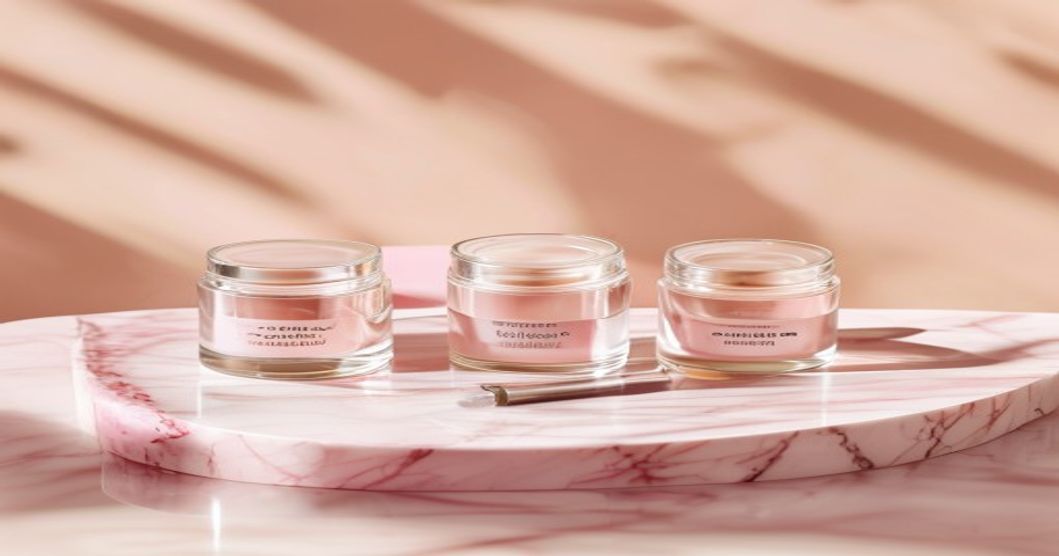
Start scrolling through YesStyle or iHerb looking for peptide eye creams and you’ll notice Korean brands are everywhere. There’s actually a reason for that. Korean skincare is all about prevention and maintenance—not aggressive overhaul. That philosophy means peptides get paired with complementary ingredients specifically designed to maximize hydration and protect your skin barrier.
A typical Korean peptide eye cream will throw in:
- Peptide complex — Usually a blend of multiple peptide types (matrixyl, argireline, copper peptides, etc.) rather than just one. This multi-angle thing is intended to support collagen through different cellular pathways. Smart formula design, honestly.
- Fermented extracts — Korean brands love fermented ginseng (red ginseng extract), galactomyces, fermented rice. Fermentation breaks down plant molecules into smaller pieces that your skin can actually absorb better. Plus you get bonus compounds (enzymes, organic acids) that support barrier health. It’s clever stuff.
- Hyaluronic acid — Your under-eye area is super thin and loses moisture constantly. Multiple molecular weights of hyaluronic acid hydrate at different skin depths. Want the deep dive? Check out our guide to Korean hyaluronic acid serum for sensitive skin.
- Centella asiatica (cica) — This plant has been soothing skin forever. It’s supposed to strengthen your skin barrier, which matters because the eye area is incredibly delicate.
- Niacinamide — Usually at lower percentages to provide gentle support without irritation. Want more details? Our guide to Korean niacinamide toner for pore minimizing breaks it down.
The whole thing is designed to be a hydration-first formula that feels great morning and night, plays nice with your other steps, and may gradually firm up the under-eye area. Don’t expect dramatic overnight changes, but tons of people report their fine lines looking softer and their under-eye skin looking plumper over time. That’s the whole goal here.
When to Choose Peptide Eye Cream
- You have sensitive or reactive skin
- You’re new to anti-aging ingredients
- You want something that plays well with serums and essences
- You’d rather have gradual results than aggressive change
- You have mild-to-moderate fine lines
- You want to use the same thing morning and night
- You want to skip retinol’s whole adjustment period headache
- You have tough, non-reactive skin
- You’ve used actives before and your skin handles them well
- You want more aggressive anti-aging firepower
- You have deeper wrinkles or serious sun damage
- You can tolerate an adjustment period with initial irritation
- You’re willing to follow a slow introduction schedule
- You can dial back other actives while your skin adapts
The Honest Truth About Results
Real talk: neither peptides nor retinol will erase deep wrinkles. Both work best when you’re preventing or catching things early. If you’re in your 30s or early 40s with fine lines, you might see real softening. If you’re dealing with serious, pronounced wrinkles, improvement’s probably going to be modest without professional treatments involved.
Here’s what actually matters though: consistency. Someone using a peptide eye cream regularly for months will see more improvement than someone who uses it randomly. The best product is honestly just the one you’ll actually stick with.
And sunscreen is non-negotiable. Fine lines get worse from UV exposure. Even the most effective cream can’t fully fix sun damage if you’re skipping SPF 30+ every single day.
A Practical Hybrid Approach
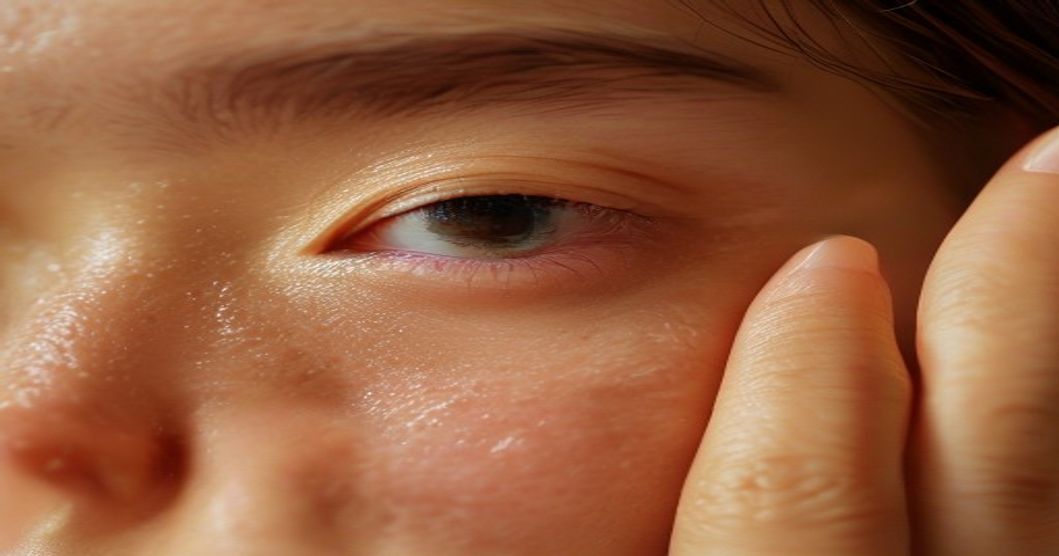
Tons of skincare people do both: peptide eye cream in the morning (lightweight, hydrating, works with sunscreen), retinol a few nights a week (lets your skin adjust gradually).
Here’s how you’d actually do it:
- First few weeks: Use peptide eye cream morning and night. Start retinol at night on a low schedule.
- Next few weeks: Keep peptide cream morning and night. Slowly increase retinol nights if your skin’s handling it. Watch for redness or peeling.
- Later on: If all’s going well, bump up retinol frequency. Peptide stays your daytime step.
- Long-term: Most people end up with a maintenance routine mixing both based on what their skin actually tolerates.
This staggered thing lets retinol do its cellular magic while peptides keep your barrier happy. It’s not flashy, but it actually works and you can sustain it.
Shopping Tips for Korean Peptide Eye Creams
Looking on Amazon, iHerb, or YesStyle? Here’s what to actually pay attention to:
- Peptides listed early in ingredients: Hunt for palmitoyl pentapeptide-4, argireline, copper tripeptide-1, or matrixyl. Earlier in the list usually means higher concentration.
- Fermented extracts: Fermented rice bran, fermented ginseng, galactomyces ferment filtrate, and similar add antioxidants without harsh effects.
- Hyaluronic acid: Look for sodium hyaluronate and hydrolyzed hyaluronic acid for multi-layer hydration.
- Skip these if sensitive: Essential oils, fragrance, and alcohol can irritate. Most Korean brands avoid them, but verify on your own.
- Texture matters: Lightweight gels or light creams layer beautifully; richer creams work better for super dry under-eyes.
Price doesn’t equal quality. Korean peptide eye creams often cost way less than Western brands while delivering the same results. Focus on the ingredient list instead of brand clout.
Why Fermented Ingredients Matter (And Why Korean Brands Use Them)
Fermented ingredients are huge in Korean skincare. Here’s why: fermentation breaks down plant molecules into smaller pieces that your skin can potentially absorb better. Fermented ginseng extract might penetrate deeper than the non-fermented version. Fermentation also creates helpful compounds—enzymes, organic acids—that support barrier health.
This reflects the whole Korean skincare thing: layer multiple gentle ingredients for synergy instead of relying on one heavy-hitting active. A peptide eye cream with fermented botanicals is basically designed as one integrated, balanced formula.
Who Shouldn’t Use These Treatments
These aren’t for everyone:
- Pregnant or breastfeeding: Retinol’s usually a no-go; peptides are generally considered safer, but ask your doctor.
- Active eczema or dermatitis on your eye area: Both can aggravate compromised skin. Wait until your barrier’s recovered.
- Severe sun sensitivity: Retinol makes you more sun-sensitive; only try it if you’re genuinely committed to high SPF protection.
- Right after professional treatments: Hold off a few weeks before introducing new actives after chemical peels or laser stuff.
If any of these apply, check with a dermatologist first.
Real-World Scenario: What to Expect Over Time
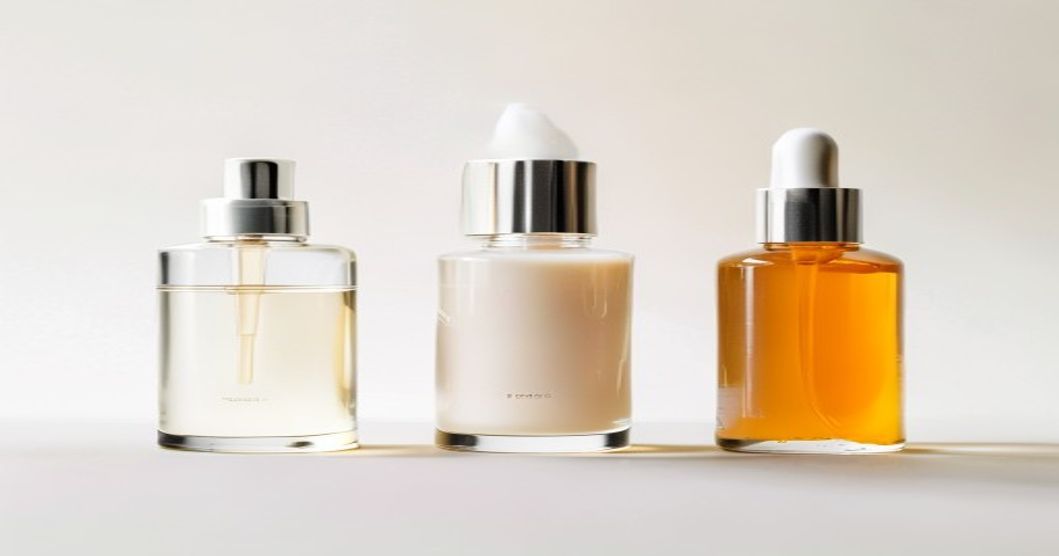
Early use (Peptide Eye Cream): Your skin looks more awake. The under-eye area feels plumped and hydrated. Fine lines appear softer. Texture improves. Most people barely experience irritation.
A few weeks in (Peptide + Retinol): If you’re using retinol, some redness or dryness might show up after application—totally normal. Peptide cream on non-retinol nights usually calms that down. Your under-eye skin starts looking firmer. Fine lines get less obvious.
Weeks later (Peptide + Retinol, more frequent): Your skin barrier actually strengthens. Initial retinol irritation usually disappears. Most people see real improvements in texture and fine lines. Everyone’s different though.
Fair warning: most people hit a plateau after several months—not because products stop working, but because visible improvements max out without professional treatments.
Not for People Who Skip Steps
First time using active ingredients? Starting with peptide eye cream solo is usually smarter. Your skin adjusts better. Retinol’s powerful but might be overkill for someone brand new to this.
Consistency Beats Everything
Both peptides and retinol need regular use to actually show results. Sporadic applications won’t cut it. Consistency usually matters more than which product you pick.
Connection to Broader K-Beauty Routines
A peptide eye cream slides naturally into Korean skincare routines—typically somewhere between hydrating serums and moisturizers. If you know essences and serums, you know how Korean formulas layer beautifully. The peptide eye cream follows that same logic: lightweight, hydrating, supportive, gentle.
Want to understand more about fermented ingredients and hydration strategies? Our piece on Korean red beet fermented essence benefits for glowing skin digs into those same multi-ingredient synergy ideas.
The Bottom Line: Make Your Choice
For under-eye fine lines with a proven, gentle starting point? Korean peptide eye cream is usually the move. Look for formulas with multiple peptide types, fermented extracts, and hyaluronic acid. Use it morning and night, then give it several weeks to see what happens.
If you have tough skin, you’ve used actives successfully before, and you want faster results, retinol’s worth considering—just prepare for an adjustment period. Honest answer: most people see solid results combining both—peptide creams as your base with retinol as a booster a few nights a week.
You’ll find peptide eye creams on Amazon, iHerb, and YesStyle. Check the ingredient list first, brand name second. The best product is the one you’ll actually use every day.
FAQ
Can you use peptide eye cream with retinol, or will they conflict?
They’re generally compatible—peptides keep things hydrated while retinol triggers cell changes. If retinol’s new to you, use it less frequently at first and alternate with peptide cream on off nights so your skin adjusts. Once your skin’s tougher, plenty of people use both together—retinol first, then peptide cream after.
How long does it take to see results from peptide eye cream?
It varies. Lots of people notice subtle improvements after several weeks of regular use. Fine lines look softer over time. Retinol takes longer but might show bigger changes. Results are super individual.
Is Korean peptide eye cream better than Western brands?
Depends on what you want. Korean formulas usually prioritize lighter textures, good layering, and fermented ingredients. Western brands often have different ingredient philosophies. Both work—pick based on your actual skin needs and what texture you like.
Should I use eye cream if I have sensitive skin?
Yes, but pick something made for sensitivity. Peptide eye creams are way gentler than retinol. Hunt for formulas with soothing stuff like centella asiatica (cica). Ditch products with fragrance if your skin reacts easily. Retinol’s riskier for sensitive skin types.
Can peptide eye cream replace sunscreen for the eye area?
Nope. Peptides support skin health, but they don’t block UV rays. Use broad-spectrum SPF 30+ on the eye area daily—that’s non-negotiable. Apply peptide cream before sunscreen in the morning, or save it for nighttime.
What is the difference between peptides and retinol for treating fine lines?
Peptides support firmness and hydration, making fine lines less visible through plumping. Retinol promotes cell turnover and collagen production, potentially delivering bigger changes but requiring an adjustment period. Peptides are gentler; retinol’s more potent but needs your skin to build tolerance first.
Disclosure: This article contains affiliate links to iHerb, Amazon, and YesStyle. If you click a link and make a purchase, we may earn a small commission at no extra cost to you. This helps support our site. As an Amazon Associate I earn from qualifying purchases. All opinions and recommendations are independent and based on publicly available ingredient information and skincare research, not paid sponsorship.